Why Hotels Keep Multiplying Their Brands
Hilton builds new brands from scratch, Marriott moves into rental apartments — two different moves, one clear signal: the middle is hollowing out and ambiguity is getting more dangerous by the day.
This site uses PostHog and Google Analytics (with IP anonymization) to understand how visitors use the service. No advertising cookies. Privacy Policy
Selected posts from Officina Turistica, the Italian tourism-industry blog — market trends, hotel industry news and travel tech from Italy, translated into English while preserving each author's voice. New posts are imported daily.

Hilton builds new brands from scratch, Marriott moves into rental apartments — two different moves, one clear signal: the middle is hollowing out and ambiguity is getting more dangerous by the day.

Tourist flows to lesser-known destinations are booming, and that's fine — but let's not kid ourselves that a summer influx of visitors is the same thing as territorial revival.

The data says Puglia isn't drowning in tourists — yet. Federico Aversa runs the numbers and finds the real problem isn't volume, it's concentration.

Italy's licensing exam went from 1.8% pass rate to 94% in seven months — same law, same ministry. That tells us something uncomfortable: the system measures itself, not the candidates.

Every spring the same ritual plays out across Italian municipalities — a flag arrives, gets hoisted, lands in a press release. But between receiving a flag and turning it into real tourist value, there's an abyss.

The "AI agents = new SaaS" narrative is a perfect pitch-deck story — but in practice, especially in hospitality, the reality is far messier and far more interesting.

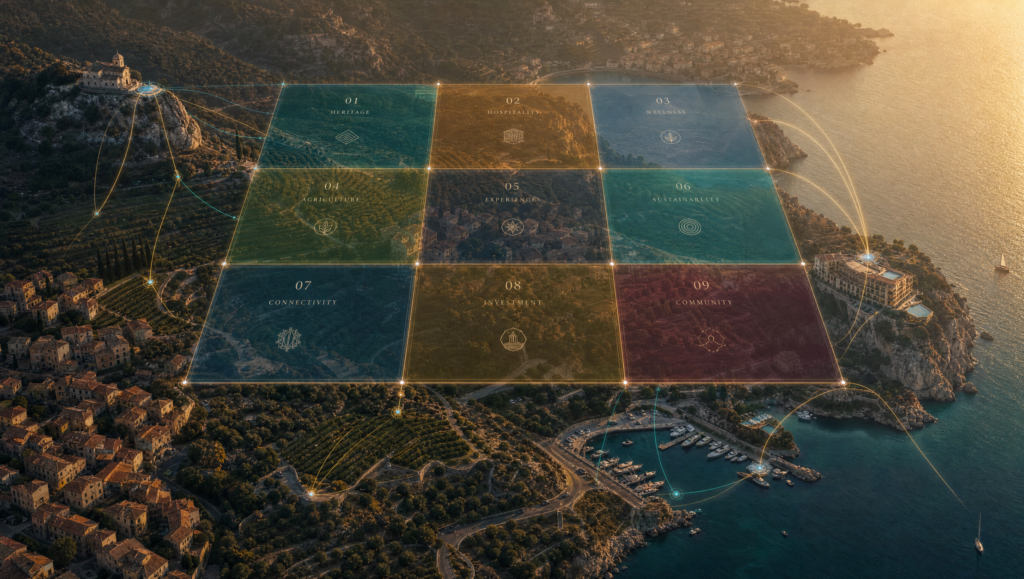
For years we've thought about tourism as if the product were the destination. That reading doesn't cut it anymore — and here's why the real game is orchestrating an ecosystem.

The classic tier-based loyalty model is showing its age. Silvia argues the real shift is from "earn and burn" uniformity to relevance — and it matters even if you run a boutique hotel.

How independent, boutique and small-group hotels can actually start using Claude — and why 2026 is the year you can no longer afford to wait.

The balance between the two giants is shifting — and if you still think social is a side dish and search is the whole meal, you're already behind.

Back from two intense days at the EHL HumanX Summit 2026 in Lausanne — ideas, inspiration, and one nagging question Italy really needs to answer.

Knew it was coming. Airbnb's Summer 2026 Release quietly rewires how listings are found, read and converted — and most hosts haven't noticed yet.

Festivals figured out that growth without carrying capacity is a trap. Tourism hasn't. Monti makes the case for dashboards over debate, tools over policy talk.

Every future-of-tourism report trots out robots and mind-reading hotel rooms. This one asks something sharper: who will own trust, data and the traveller relationship?

The ETC study says no European NTO has a formal AI strategy yet. So Mirko built a free self-assessment tool to help destinations figure out where they actually stand before deciding where to go.

The rhetorical pattern that outs AI in every piece of tourism marketing copy — and a practical file to fix it, before the AI that writes your content becomes the AI that ignores you.

"Hybrid hospitality" has become an umbrella term that covers everything and explains nothing. Time to take it apart and figure out what we're really talking about.

How to set up Claude for a destination — Projects, Skills, Connectors, autonomous agents and chatbots. Long post: get comfortable.

From a tweet to a Guinness price index: Mirko Lalli's keynote at DestinationLab 2026 on why DMOs that don't speak the language of machines are already invisible.

Kayak says AI users are ten times less likely to search with fixed dates or a destination. That's not a tech footnote — it's a shift in how travel desire actually works.