

Antonio PezzanoOct 5, 2026Destinazioni
They're Not Plans. They're Manifestos.
We keep calling them plans — strategic tourism plans, regional plans, destination plans. But read the actual sentences and you'll find something else entirely.
This site uses PostHog and Google Analytics (with IP anonymization) to understand how visitors use the service. No advertising cookies. Privacy Policy
Selected posts from Officina Turistica, the Italian tourism-industry blog — market trends, hotel industry news and travel tech from Italy, translated into English while preserving each author's voice. New posts are imported daily.
We keep calling them plans — strategic tourism plans, regional plans, destination plans. But read the actual sentences and you'll find something else entirely.

ChatGPT Ads landed in Italy on 18 August and any hotel can now run campaigns solo. I opened the Ads Manager for my place in Arezzo and here's exactly what happened.

Meta now limits Pages to 2 external links a month for free — a paywall on something the algorithm had already nearly killed. The real question is what you'd have left if every platform changed the rules tomorrow.

At Oasi, staff handle every guest conversation themselves. AI helps with languages and tone — nothing more. Here's why that's not nostalgia, it's competence strategy.

Meta's Muse is out, it books flights, and the industry shrugged. The really interesting part? What an AI Hospitality Alliance founder quietly confirmed about who's actually solved hotel inventory.

Not a destination to promote, but a territory to strengthen. The real question isn't how many visitors arrive — it's how much value stays, and who decides what kind of place this wants to be.

This earnings season finally brought hard AI numbers — but what do Airbnb's 16% and Monday.com's doubling ARR actually mean for the rest of us who can't run statistical comparisons at scale?

Two articles from Lodging Magazine tell a story worth bringing to Italy: hotel technology almost never fails because of the tool itself. It fails because of how it's introduced to the people who have to use it every day.

That jaw-dropping AI quote flooding your feed? Almost certainly fake — and before you reshare it or base your content on it, here's why it matters for anyone communicating a hotel or destination.

Italy's tourism concentration index is virtually identical to Spain's — the textbook case of European tourism concentration. I was wrong, and I owe you an explanation.

A PwC report on global infrastructure spending looks like engineers' reading — until you realise it maps the actual risks and opportunities tourism will face for the next twenty years.

Infinite availability has a cost we rarely factor in: it erodes the value of a human response. Because that slightly slower, slightly more personal reply is exactly what tells a guest they're talking to someone who chose to pay attention.

A promotional text riding the New York Times wave lands on Silvia's desk — and becomes the perfect case study for asking how much of our brand voice we can really hand over to AI.

Two snapshots, 63 years apart. Pezzano reads the Istat data on Italy's regional tourism distribution without pretending it's a film when all we have are two frames.

From a TravelTech Show panel in London, a deceptively simple example — fourteen US cities called Birmingham — that cuts to the heart of what AI can and cannot afford to get wrong in hospitality.
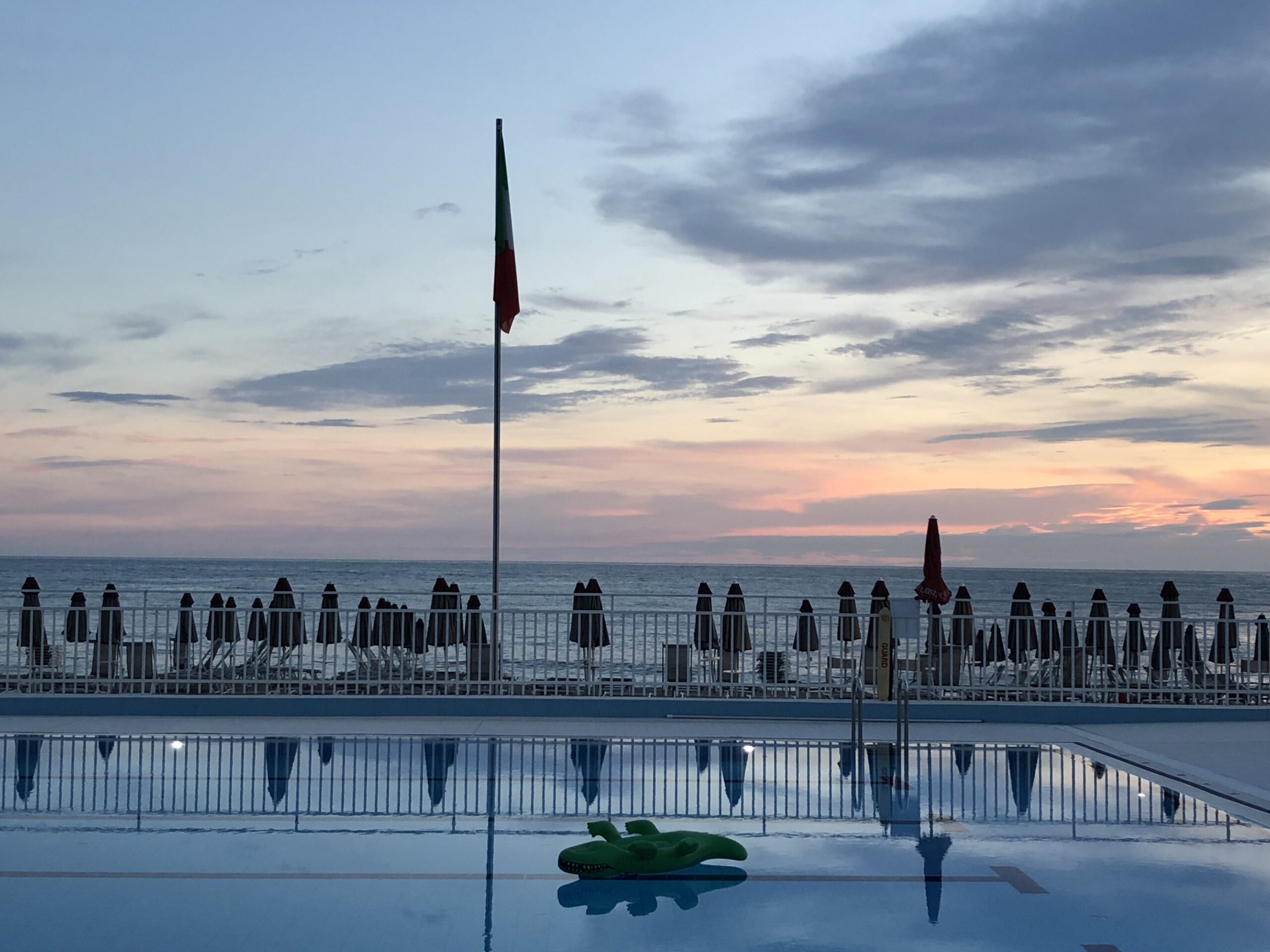
McKinsey's seven truths for AI-native companies are real — but so is the distance from a family-run Italian hotel. Silvia reads them critically, salvages what actually applies, and leaves the rest where it belongs.
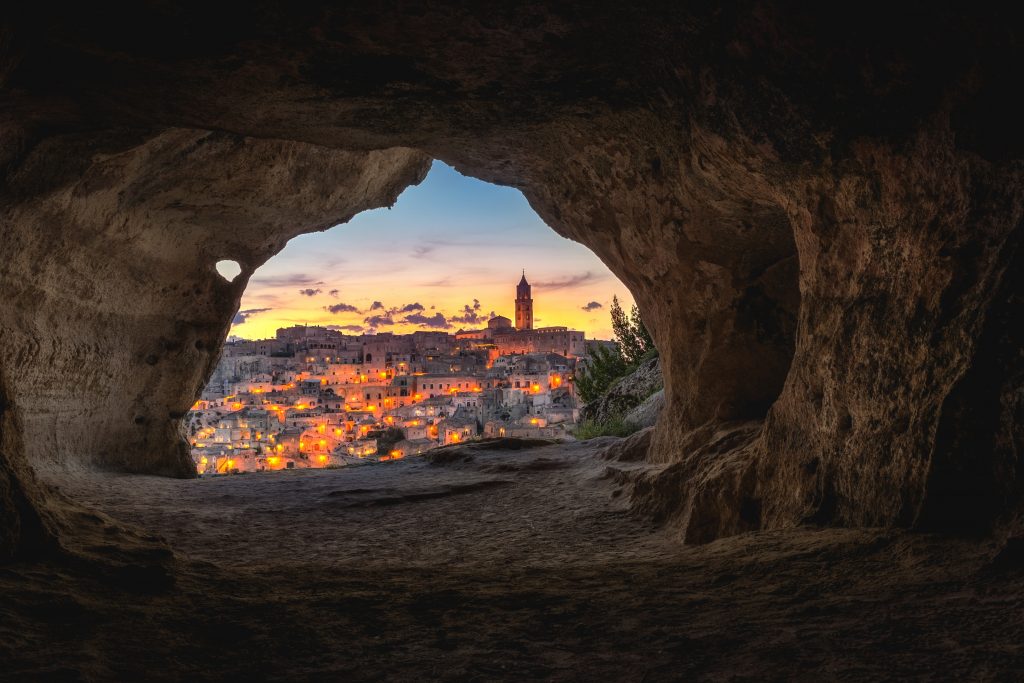
Italy's vast ecosystem of amateur and "off" film productions may be sitting on an untapped tourism goldmine — if only someone bothered to connect the dots programmatically.

The question isn't whether TikTok GO matters for your distribution strategy. The question is whether your inventory is structured so these systems can actually read it. For most of the industry, the answer is no.

What can an independent property actually learn from a 7,000-hotel chain's AI strategy? More than you'd expect — and it costs nothing to apply the principles.

The real Alaskan model isn't glaciers or wilderness — it's oil, a sovereign fund, and the radical idea that public assets should actually pay citizens back. Sound familiar?