
Travel Intelligence · Week 29, 2026
Travel Intelligence — 2026-W29
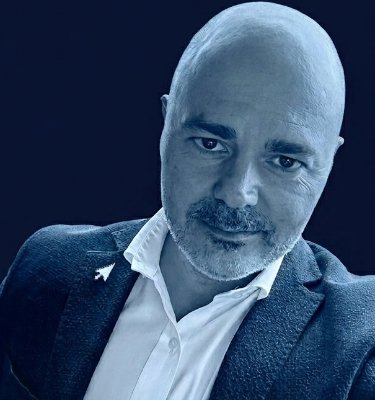
Mirko Lalli
Monday, July 13, 2026
The MIT data point that landed this week deserves attention: roughly 95% of task-specific enterprise generative AI initiatives have yet to produce measurable business returns. The problem, researchers found, is not the models themselves but tools that fail to learn from feedback, fit existing workflows, or solve clearly defined operational problems. This lands at the same moment IBS Group spins out Naviq Technology as a dedicated AI travel venture, ITILITE announces voice AI for corporate booking, and Hospitality Net publishes yet another framework for hyper-personalization. The gap between what vendors are selling and what operators can actually use remains wide.
My read: we are entering a correction phase. The World Economic Forum's Global Risks Report 2026 flags technology fragmentation as a near-term concern, and I see that playing out in travel tech stacks right now. Hotels chasing AI-driven personalization in guestrooms, airlines retooling loyalty programs around elite status monetization, cruise lines like Four Seasons ordering a third yacht before their first completes a full season. Capital is moving, but integration lags behind ambition. Spain adding 3,000 ultra-luxury rooms from international brands signals confidence in demand, yet the operational backbone to deliver personalized service at scale is still patchy.
For the next twelve months, I would focus less on adopting new AI tools and more on auditing which existing ones actually connect to revenue or cost outcomes. The 95% failure rate is not a technology problem. It is a workflow problem, and that is something DMOs and hoteliers can fix without waiting for the next product launch.
News in this brief
- The Biggest Value in Hotel Wellness May Be in the Guestroom
- Radisson Hotel Group leverages its strong owner confidence to accelerate global growth
- El ultralujo gana terreno en España con más de 3.000 habitaciones de marcas internacionales
- Vueling: La mejora de la experiencia del cliente es parte del plan de transformación de la compañía
- La hoja de ruta de Silken: recuperar plazas, patrimonializar y diversificar
- Lodging Interactive Launches Commingle360, an End-to-End Reputation Management Service Combining On-Site Guest Feedback with Public Review Response Management
- ITILITE Integrates Voice AI for US-India Corporate Travel: Streamlining Bookings and Expense Compliance in 2026 - Nomad Lawyer
- A 2025 MIT report estimated that roughly 95% of task-specific enterprise generative-AI initiatives had yet to produce measurable business returns. The researchers argued that the main obstacle was not the underlying models, but tools that failed to learn from feedback, fit existing workflows or solve clearly defined operational problems.
- Four Seasons va a por el tercer barco en el año de su estreno en el mar
- El siguiente paso en los programas de fidelización aéreos: rentabilizar los clientes con estatus
- Portugal recibió casi 30 millones de turistas internacionales en 2025, un 3,3% más
- IBS Group Launches Naviq Technology as a Global AI-Powered Travel Innovation Company to Transform Airlines, Airports, Cruise and Hospitality Operations Through Next-Generation Digital Solutions - Travel And Tour World
- A travel hack’s travel hacks
AI-Curated · Updated every 12h
Join 30+ travel professionals getting the full intelligence feed
Curated articles on travel tech, hotel innovation and destination strategy — updated every 12 hours. Free to join.
Access the full feed →